Seven cities. One conversation.
DDX · Theme 2027
UNBOUND
The Era of Hybrid Intelligence
Designing the next generation of experiences,
where human potential meets intelligent systems.
The 2027 season
It begins in Tokyo,
12 February 2027.
UNBOUND is about challenging the assumptions that have historically defined what’s possible. It’s about unlearning the principles, tools, and habits that are holding us back.
As AI, neuroscience, and emerging technologies converge, we have an opportunity to move beyond familiar interfaces and experiences. The future isn’t just about what technology can do; it’s about what we can become.
The 2027 season
It opens in Tokyo.
Then it keeps moving.
One theme, seven rooms, a year apart. Each edition takes UNBOUND somewhere it has to prove itself: a different market, a different industry mix, a different set of assumptions about what design is for.
- 12 Feb 2027 Tokyo TODA Hall · the opener
- 19–21 Mar 2027 Dubai Dubai Digital Park · three days
- 16 Sep 2027 San Diego Park & Market
- 24 Sep 2027 Miami The LAB Miami
- Dates to come London · New York · Munich Announced as venues sign
What the theme means
Three shifts behind one word.
UNBOUND is not a prediction about technology. It is a claim about limits — which of them were real, which were only habit, and what becomes possible once we can tell the difference.
-
01
Unlearning comes before building.
Every craft carries habits that were once good answers to problems that have since changed. Design has a lot of them: the screen as the unit of work, the interface as the deliverable, the user as someone to be guided. Each was earned. None is permanent. The first move of this era is not adopting a new tool — it is noticing which of your principles are still principles and which are just muscle memory.
-
02
The boundary between human and machine work is dissolving.
The line between what a person makes and what a machine makes is going out of focus, and with it the idea that one of them is the real work. This is the part that is easy to say and hard to practise. A system that drafts, proposes and acts is not a faster tool — it is a second party in the work, with its own reach and its own blind spots. Designing for it means deciding what it is allowed to decide, and making that legible to everyone it affects.
-
03
From human-centred to human-expanding.
For decades the job was to make technology more human. The opening now is the reverse: to use it to widen what a person can do at all. Human-centred design asked how to fit technology to people as they are. UNBOUND asks a harder question: what people become when the fit is no longer the constraint. It moves the discipline from accommodation to ambition — and it puts the responsibility for that ambition squarely on the people in the room.
How we got here
The inflection point was the question.
Hybrid intelligence is the answer the room gave.
In May 2026 we published our theme for 2026/27: when the cost of building drops to near zero, judgement becomes the scarce thing. Over the six months since, we asked 57 design, product and research leaders one open question and never mentioned the theme. Twelve described exactly that mechanism, unprompted — and they pointed past it, to a working arrangement between human judgement and machine capability that nobody had named yet.
We named it UNBOUND before we had the evidence. The evidence arrived anyway.
Read the 2026/27 theme essay What 57 leaders said came next Your product now has two users
The room
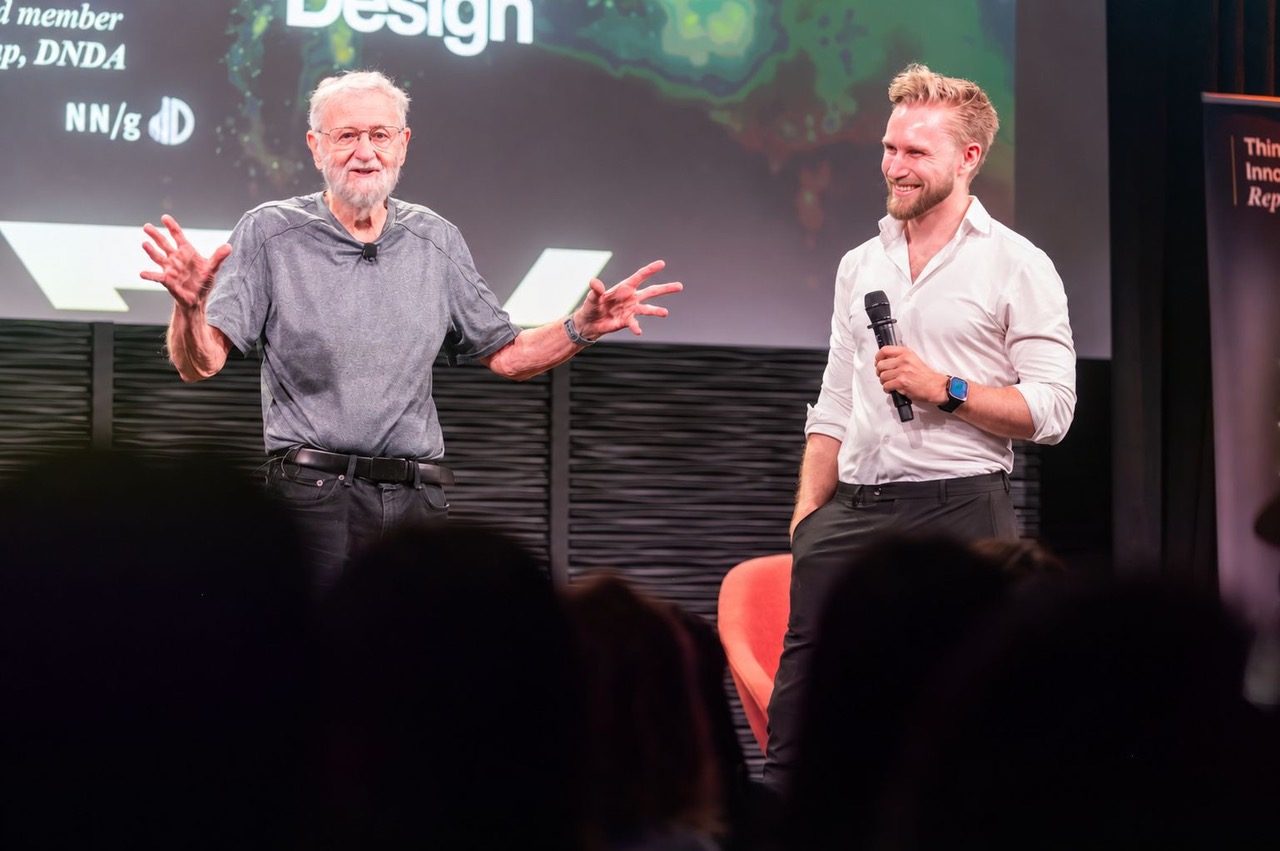
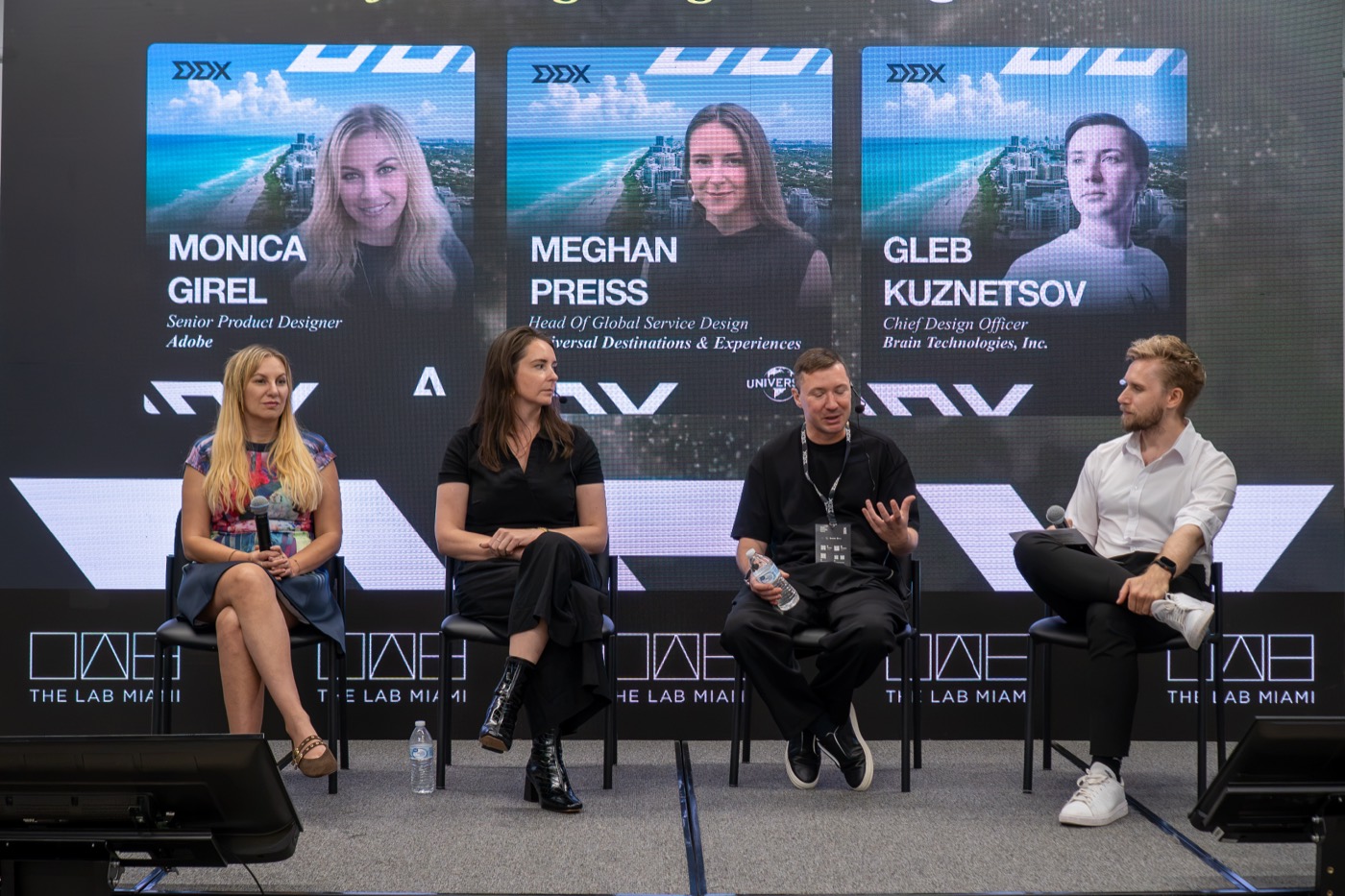
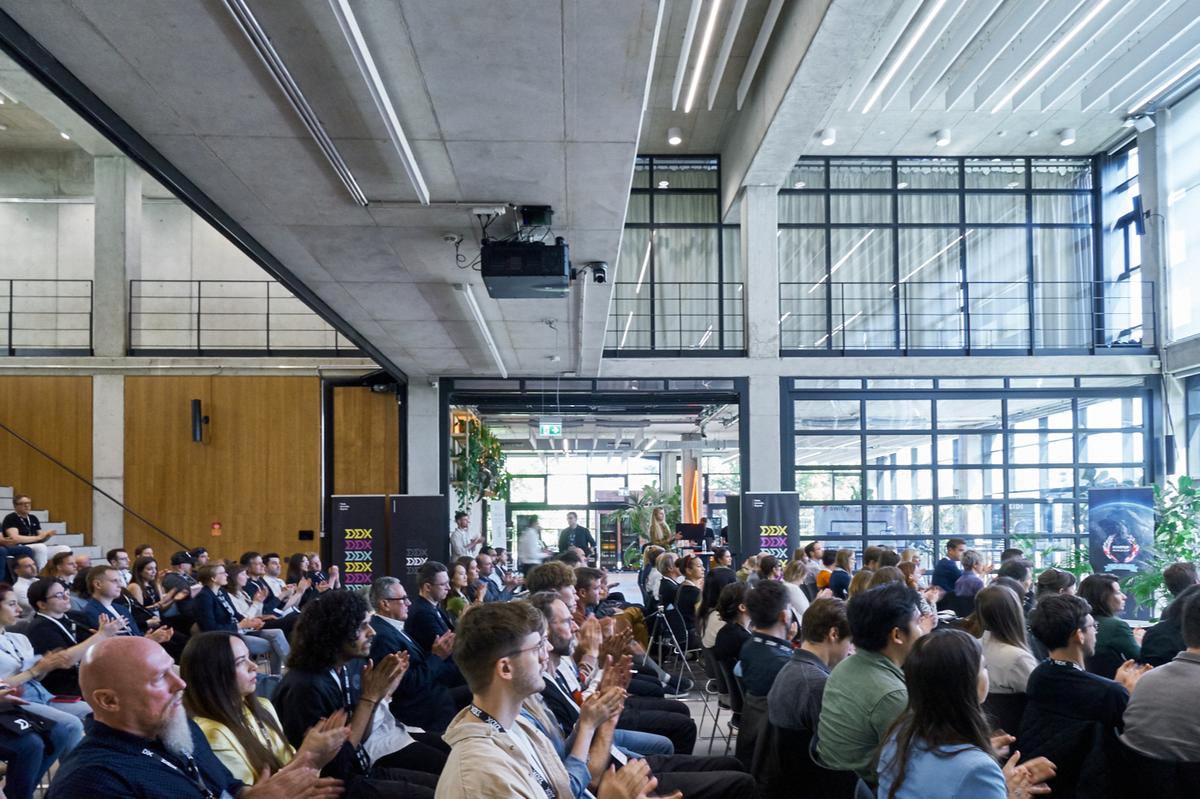
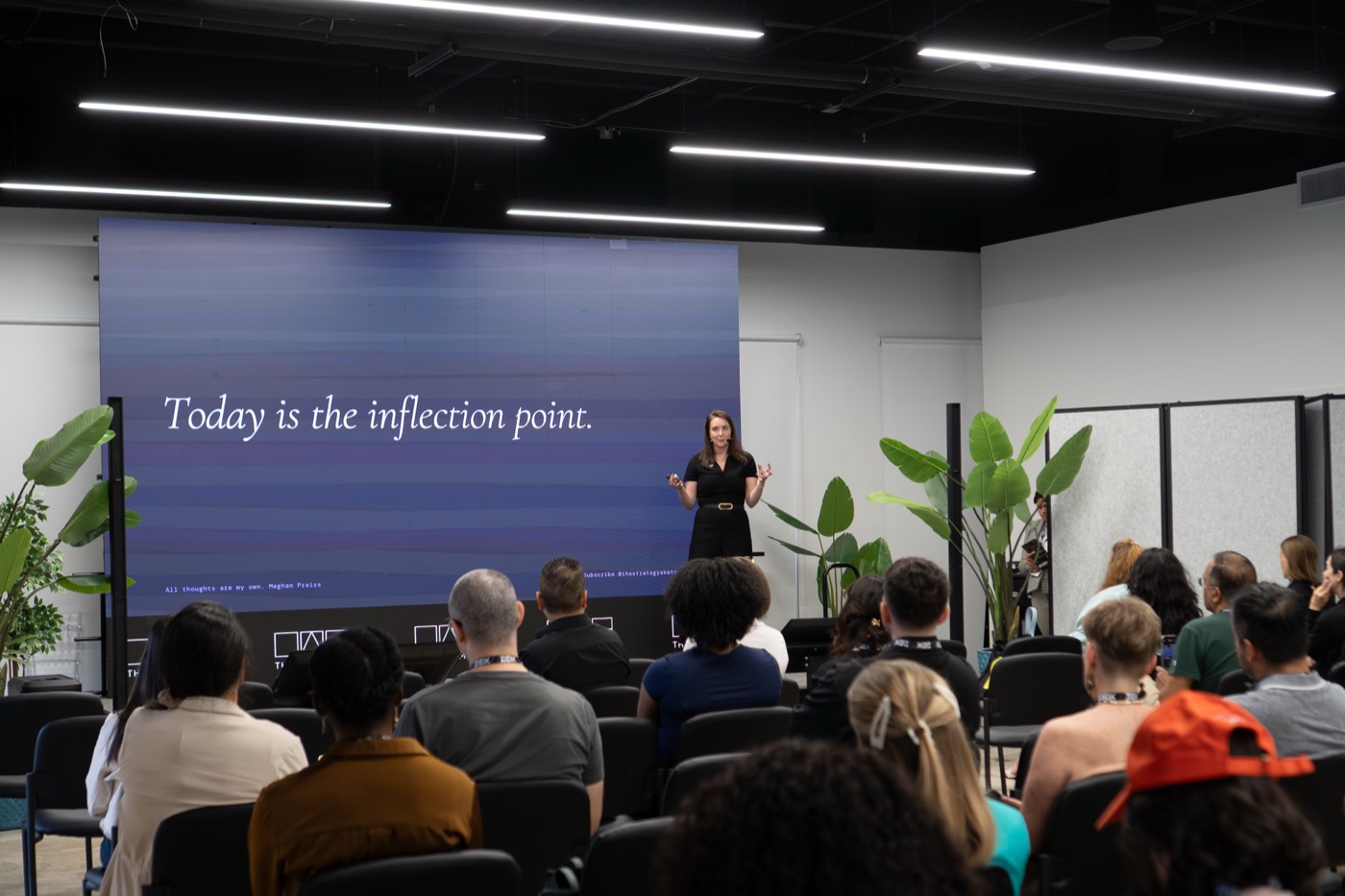
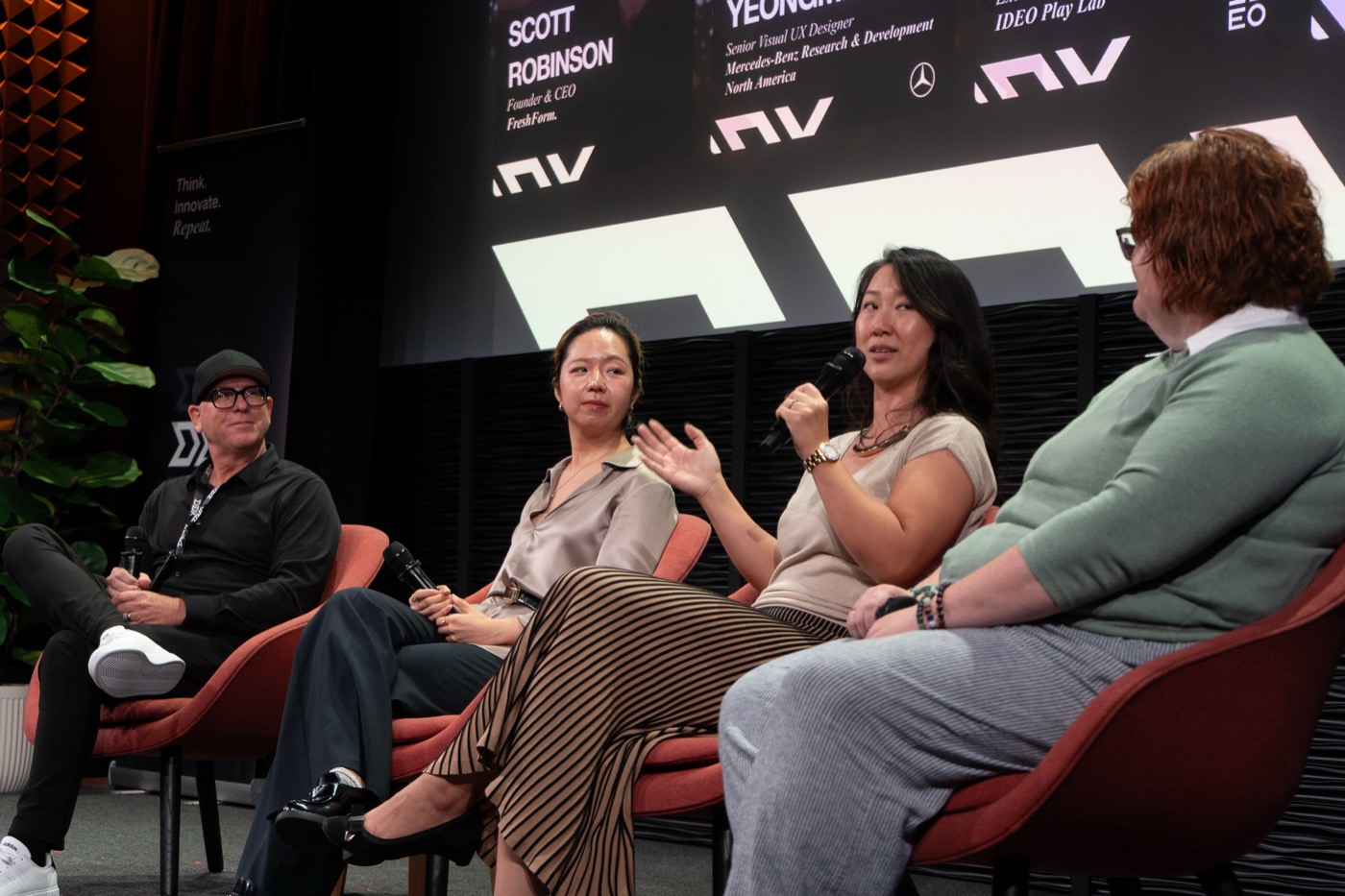
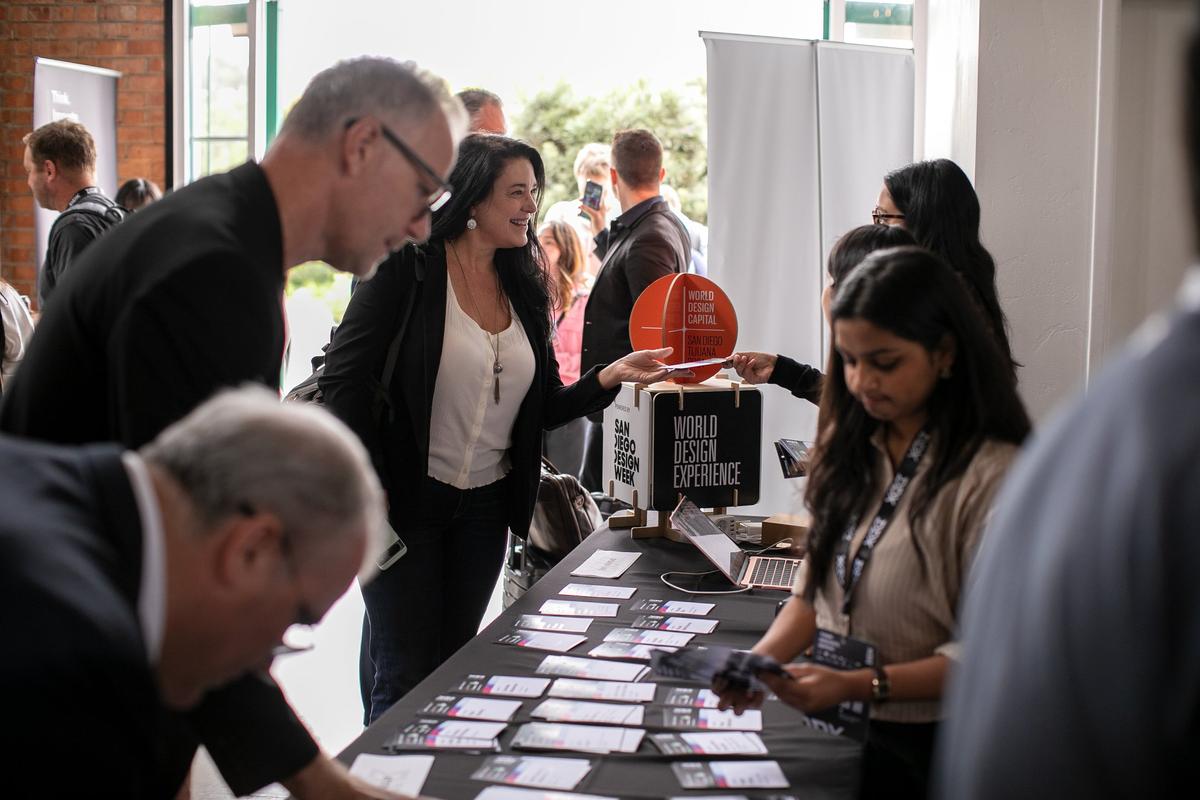
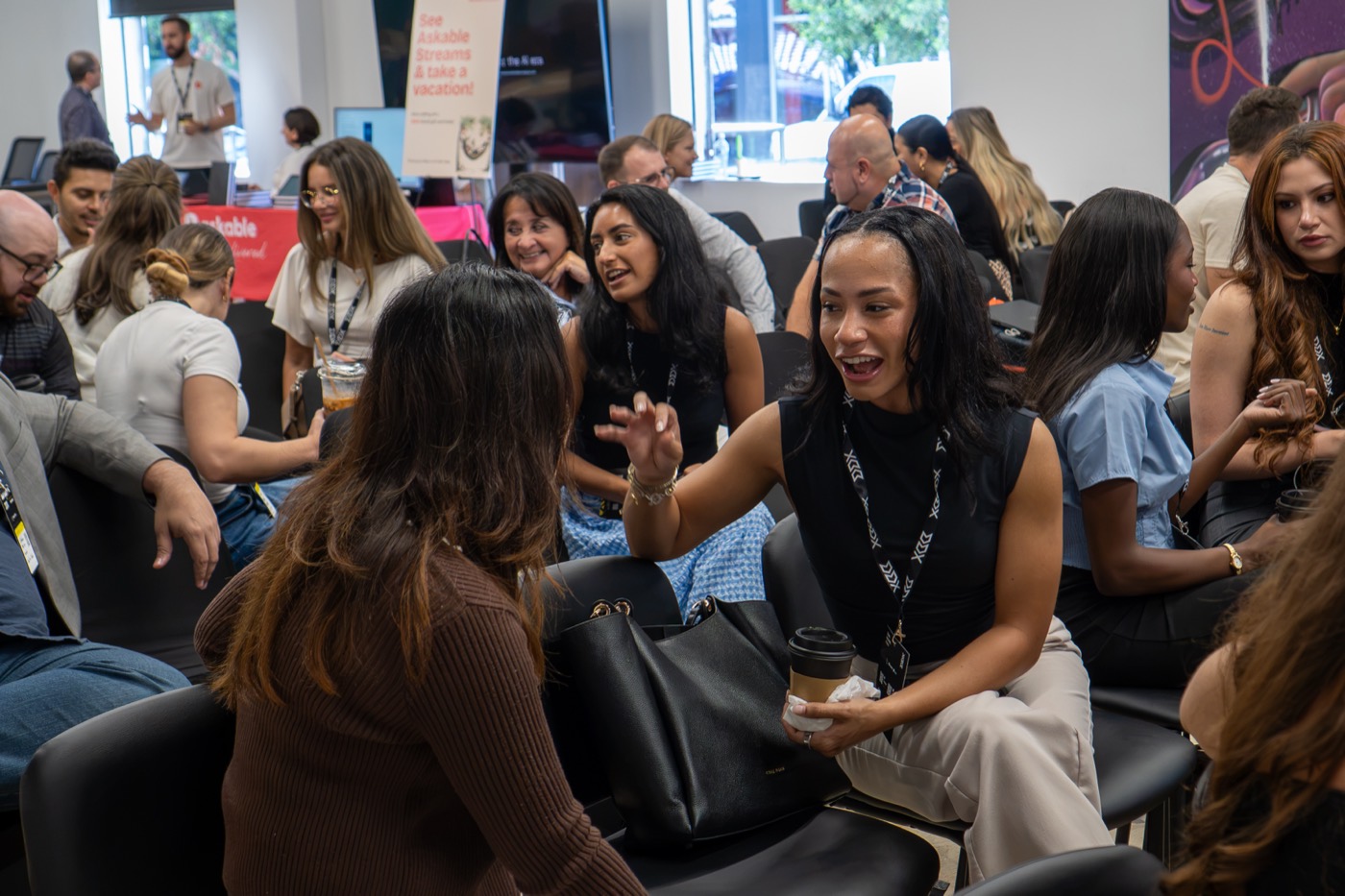
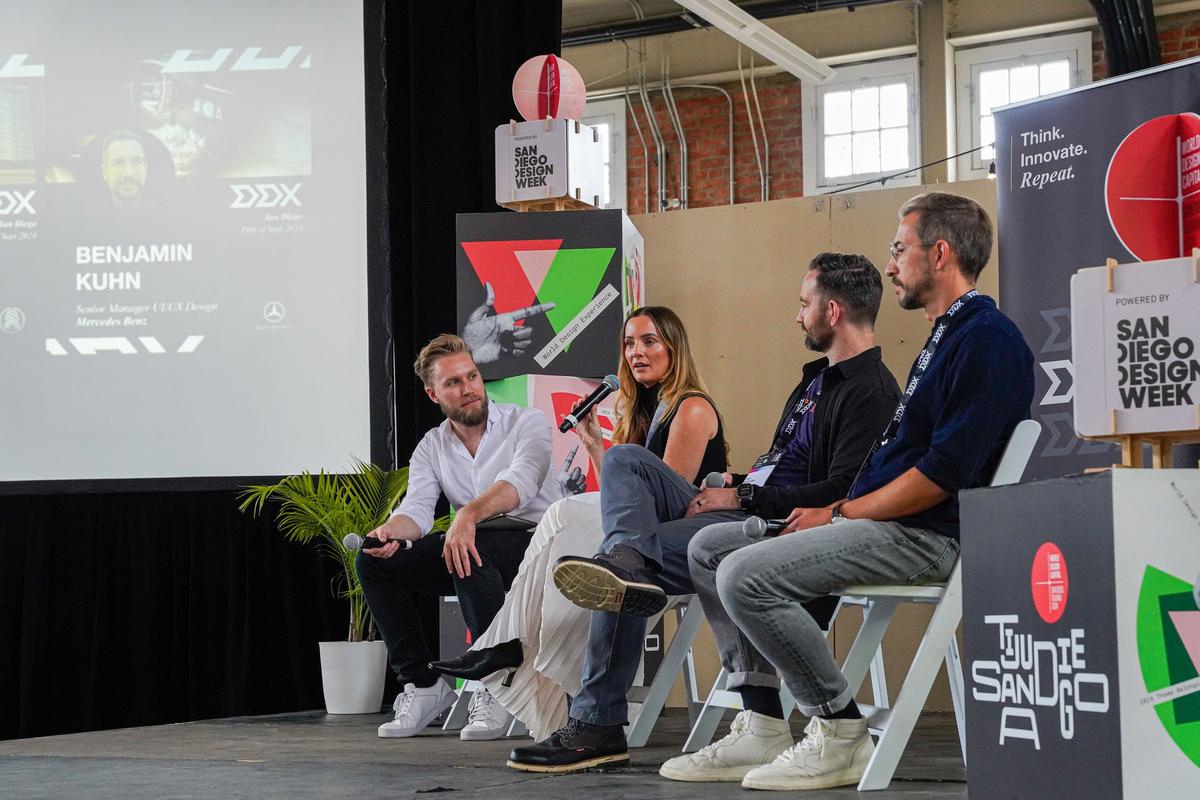
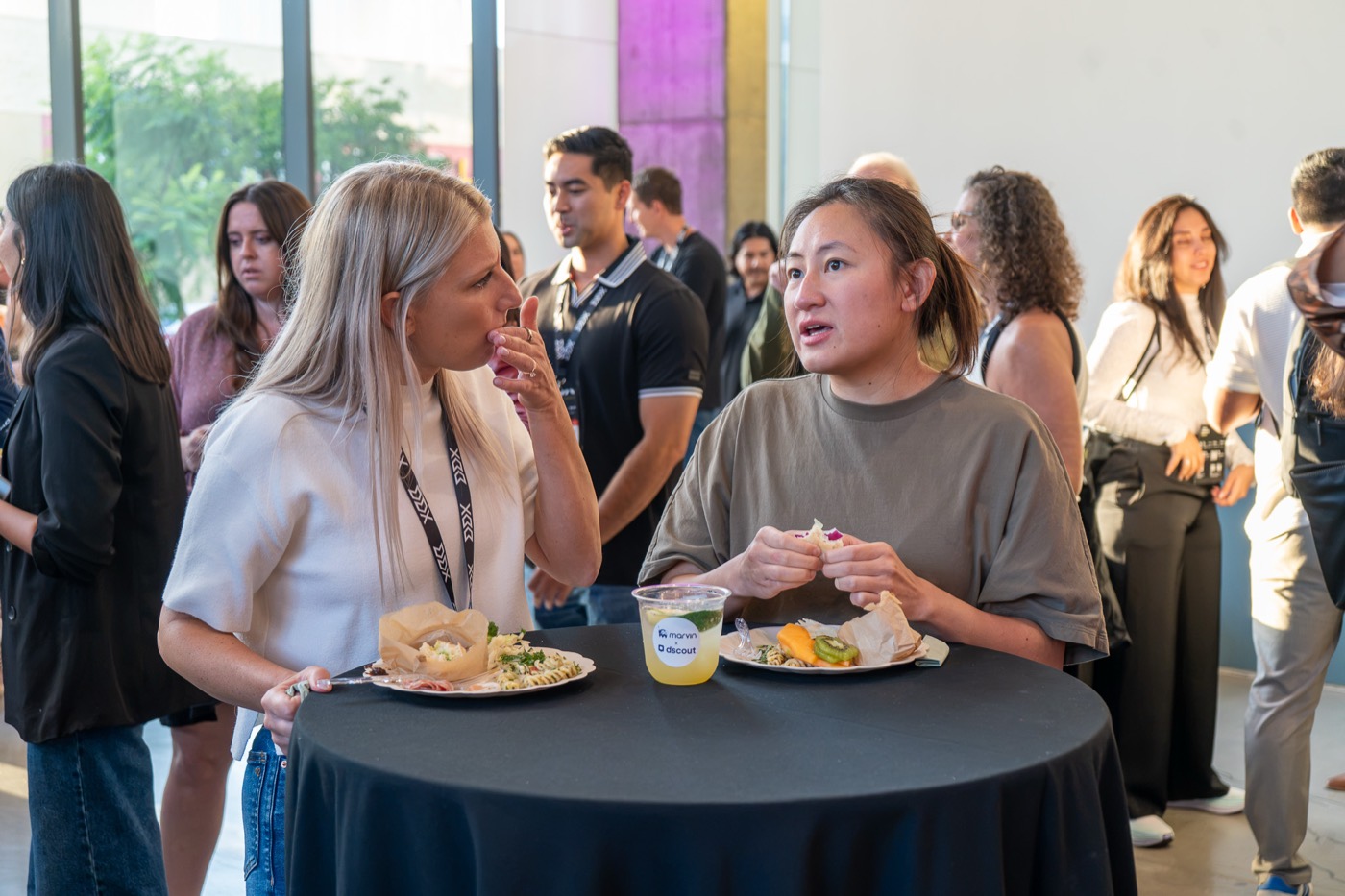
Where the conversation actually happens.
Voices
What the room already said.
Written for DDX by the people named, in answer to one open question: what will shape the next wave of digital innovation? Swipe through the row.
The next era of innovation will not belong to the companies that automate the fastest, but to those that intentionally design systems in which humans and intelligent technology can learn, adapt, and make better decisions together.
Innovation is shifting from designing interfaces to designing intelligence. The next generation of digital products won’t be defined by pixels or apps, but by systems that understand intent, adapt in real time, and create deeply personal experiences.
We’re moving from designing interfaces to designing relationships. The next generation of digital products are intelligent systems people delegate to, collaborate with and trust to act on their behalf.
The future of digital innovation lies in the transition from tools we use to partners we collaborate with, where design prioritizes seamless, invisible intuition over complex interfaces.
We should look beyond what AI does for design to what design will do in the age of AI.
Precisely because we are living in an era where we coexist with AI, we need to reexamine what “only humans can do.” I believe that it is design rooted in human sensibilities — not in calculations — that will shape the corporate culture and experiences of the future.
What excites me most is how we can use AI and emerging technology not to remove the human from the process, but to understand human behavior better and design for the beautifully irrational ways people actually think, behave, and make decisions.
The future of digital innovation is not defined by how intelligent technology becomes, but by how responsibly we design it.
Where UNBOUND happens
One theme, every city.






Be in the room where this gets decided.
UNBOUND runs across the whole 2027 season. It opens in Tokyo on 12 February, moves to Dubai from 19 to 21 March, and continues in San Diego, Miami, London, New York and Munich.
DDX Tokyo — 12 February 2027 DDX Dubai — 19–21 March 2027 Apply to speak